

PSA Oxygen Generators in India: Market Growth, Government Support, and Future Outlook
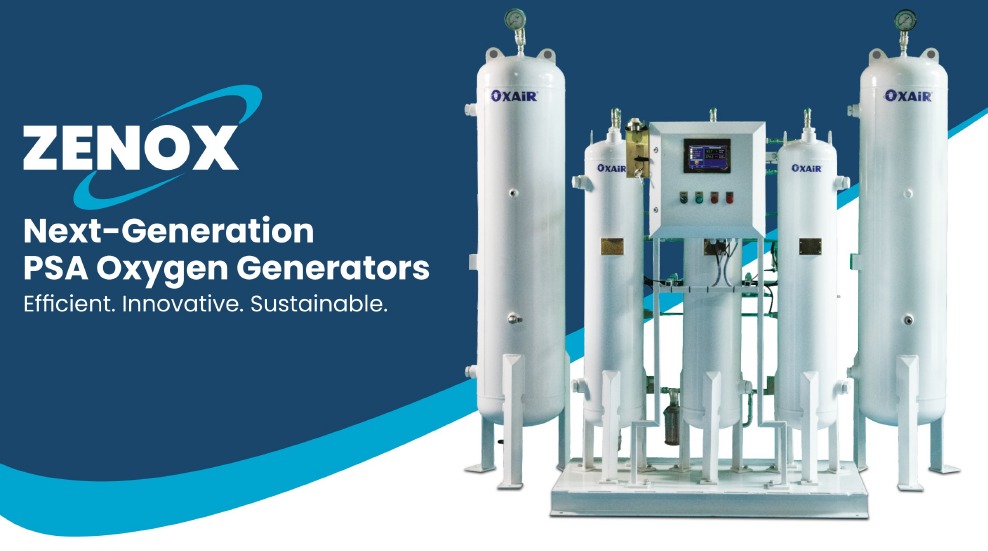
The healthcare infrastructure landscape in India has undergone a structural transformation in recent years, particularly in how hospitals plan for critical medical utilities. Among the most significant shifts is the rapid expansion of the PSA Oxygen Generator India market, which has moved from a niche engineering segment to a core component of national healthcare preparedness.
Driven by policy intervention, public health investment, and a growing emphasis on decentralized infrastructure, PSA oxygen systems are now seen as long-term assets rather than emergency add-ons. For industrial suppliers, EPC contractors, and infrastructure planners, this shift represents a sustained market opportunity.
Growth of the PSA Oxygen Generator India Market After 2020
Before 2020, PSA-based oxygen systems were primarily installed in select private hospitals and specialty facilities. Bulk liquid oxygen and cylinder supply chains dominated most regions. However, rapid infrastructure upgrades and demand stabilization efforts created a turning point for the PSA Oxygen Generator India market.
Healthcare institutions began to prioritize on-site oxygen generation as part of infrastructure modernization rather than temporary crisis response. This shift led to sustained demand across both public and private healthcare sectors.
Estimated Expansion of PSA Installations
| Period | Approx. Annual Installations | Market Characteristic |
|---|---|---|
| Pre-2020 | Limited, selective projects | Niche adoption |
| 2020–2022 | Large-scale rapid deployment | Emergency-driven expansion |
| 2023–Present | Steady institutional adoption | Infrastructure standardization |
Today, the PSA Oxygen Generator India segment is supported not only by hospitals but also by district healthcare authorities and state-level infrastructure programs.
Government Initiatives Driving PSA Oxygen Generator India Deployment
Government support has been central to accelerating adoption. National and state authorities recognized that centralized oxygen production combined with long-distance transport created vulnerabilities. As a result, decentralized generation became a policy priority.
Programs supported through mechanisms such as the PM CARES Fund enabled rapid installation of PSA oxygen plants across district and sub-district hospitals. These installations aimed to provide baseline oxygen capacity at the point of care.
In parallel, the Ministry of Health and Family Welfare encouraged states to include oxygen infrastructure in hospital upgrade budgets, embedding PSA systems into long-term planning rather than short-term procurement.
Government-Supported Installations by Facility Type
| Hospital Category | Typical Role of PSA Systems |
|---|---|
| District Hospitals | Primary oxygen source for critical wards |
| Sub-District Hospitals | Backup + base load support |
| Medical Colleges | Supplement to bulk oxygen systems |
| Rural Referral Units | First-time access to centralized oxygen |
This government-backed expansion significantly broadened the PSA Oxygen Generator India footprint beyond metropolitan hospitals.
PSA Oxygen Generator India Impact on Rural and District Hospitals
One of the most important outcomes of this market growth is improved oxygen access in smaller cities and rural regions. Previously, many district hospitals depended entirely on cylinder deliveries that could be delayed due to distance or logistics.
By installing PSA systems, rural facilities gained the ability to generate oxygen on-site, ensuring:
- Faster emergency response
- Reduced transport dependency
- More stable oxygen pressure in pipelines
- Improved critical care readiness
For these institutions, the PSA Oxygen Generator India model represents a shift from reactive supply chains to proactive infrastructure ownership.
Public vs Private Sector Adoption of PSA Oxygen Generator India Systems
Adoption patterns differ between public and private healthcare segments, but both contribute to market growth.
| Sector | Adoption Drivers | Typical Use Case |
|---|---|---|
| Public Hospitals | Government funding, infrastructure upgrades | Base oxygen supply in district facilities |
| Private Hospitals | Cost control, operational independence | ICU and OT oxygen backup + primary source |
| Multispecialty Chains | Standardized hospital design | Integrated utility planning |
Public sector adoption expanded the geographic reach of PSA Oxygen Generator India systems, while private hospitals accelerated demand for higher-capacity and more automated plants.
Market Trends Shaping the Future of PSA Oxygen Generator India
Several long-term trends are influencing how this market evolves.
1. Decentralized Healthcare Utilities
Hospitals increasingly view oxygen like power or water — a utility that should be locally generated when feasible.
2. Infrastructure Resilience
Facility planners now prioritize systems that can operate independently of external logistics disruptions.
3. Integration into Hospital Design Norms
New hospital construction projects frequently include dedicated utility spaces for PSA oxygen systems as part of standard design practice.
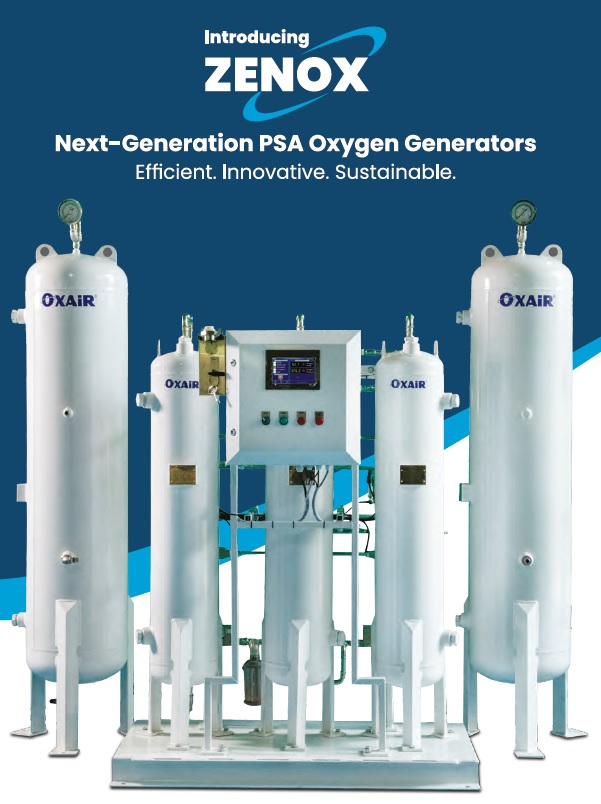
These trends ensure that PSA Oxygen Generator India demand remains steady even outside emergency periods.
Industrial Opportunities Emerging from PSA Oxygen Generator India Growth
The expansion of this market creates opportunities across the industrial value chain.
EPC and Installation Contracts
Healthcare construction projects increasingly include oxygen plant rooms and pipeline integration packages.
Operations & Maintenance Services
PSA plants require periodic servicing, creating a recurring demand for technical support and AMC (Annual Maintenance Contract) services.
Component Supply Ecosystem
Compressors, dryers, filtration systems, and control panels represent ongoing demand for allied industrial manufacturers.
| Opportunity Area | Market Potential |
|---|---|
| EPC Integration | Growing with new hospital projects |
| Maintenance Services | Long-term recurring revenue |
| Equipment Upgrades | Automation and monitoring add-ons |
| Training & Compliance | Technical skill development |
For industrial players, the PSA Oxygen Generator India sector is evolving from one-time project supply into a lifecycle services market.
Future Outlook for PSA Oxygen Generator India Market
Looking ahead, the PSA Oxygen Generator India market is expected to stabilize into a steady growth phase driven by infrastructure modernization rather than emergency expansion.
Key future drivers include:
- Continued public hospital upgrades
- Expansion of tier-2 and tier-3 healthcare facilities
- Integration of oxygen resilience into disaster preparedness planning
- Increased standardization of hospital engineering utilities
As healthcare infrastructure expands geographically and technologically, decentralized oxygen generation will remain a permanent design consideration.
Conclusion
The rise of the PSA Oxygen Generator India market reflects a broader transformation in how healthcare infrastructure is planned and managed. Government-backed installations, rural healthcare upgrades, and long-term infrastructure resilience strategies have shifted PSA systems from niche solutions to essential hospital utilities.
For industrial stakeholders, this represents a sustained opportunity spanning equipment supply, EPC integration, and long-term service support. As India continues strengthening its healthcare ecosystem, PSA oxygen generation will remain a key pillar of resilient and self-reliant medical infrastructure.