

Medical Oxygen Generators Explained: How Indian Healthcare Facilities Ensure Continuous Oxygen Supply
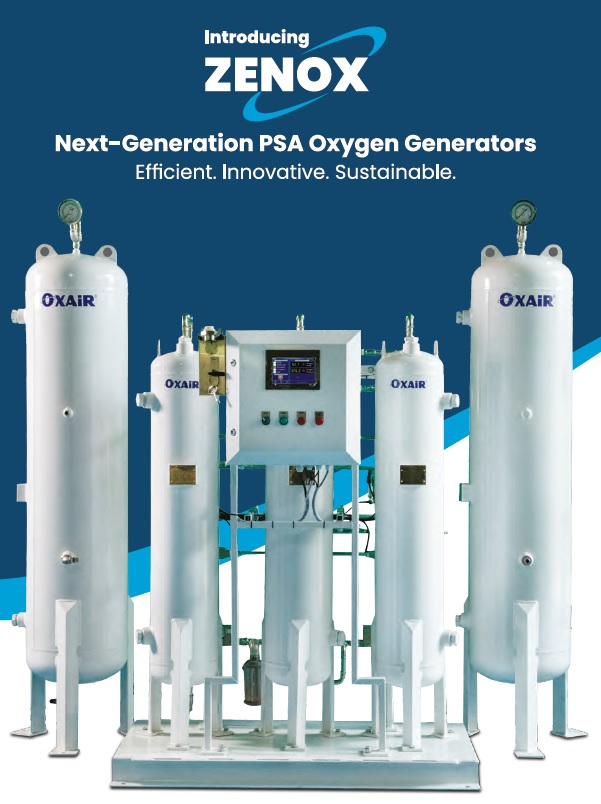
In modern hospitals, oxygen is as essential as electricity and water. From emergency rooms to operating theatres, a stable oxygen supply is critical for patient survival and advanced medical procedures. To reduce dependence on external deliveries and improve reliability, many healthcare facilities across India are installing a Medical oxygen generator as part of their core utility infrastructure.
Rather than treating oxygen as a consumable that arrives in cylinders or tankers, hospitals now integrate oxygen generation directly into their engineering systems. This approach ensures continuous availability, controlled pressure, and predictable operating costs.
What Is a Medical Oxygen Generator and Where Is It Used?
A Medical oxygen generator is an on-site system that produces medical-grade oxygen from ambient air. Most hospital systems use PSA (Pressure Swing Adsorption) technology to separate oxygen from nitrogen and other gases.
These systems are commonly installed in:
- Multispecialty hospitals
- District and government hospitals
- Surgical centers
- Critical care units
- Emergency and trauma facilities
Instead of relying entirely on delivered oxygen, hospitals use a Medical oxygen generator to feed their central medical gas pipeline, ensuring oxygen reaches ICUs, wards, and operation theatres without interruption.
Working Principle of a Medical Oxygen Generator
Understanding how a Medical oxygen generator works helps facility engineers design and maintain reliable systems.
Step 1: Air Intake
The system draws in atmospheric air, which contains roughly 21% oxygen and 78% nitrogen.
Step 2: Air Compression
Air compressors increase pressure to the level required for gas separation.
Step 3: Air Treatment
Before entering the adsorption vessels, air passes through filters and dryers that remove dust, oil, and moisture. Clean, dry air protects internal components and improves oxygen purity.
Step 4: Adsorption Process
The heart of the Medical oxygen generator is a pair of vessels filled with zeolite molecular sieves. Under pressure, these sieves trap nitrogen molecules while allowing oxygen to pass through.
Step 5: Pressure Swing Cycle
While one vessel produces oxygen, the other regenerates by releasing trapped nitrogen. The system alternates automatically, ensuring continuous oxygen production.
Step 6: Oxygen Storage and Supply
The produced oxygen, typically at 93±3% purity, is stored in a buffer tank and delivered into the hospital pipeline at controlled pressure.
Key Components of a Medical Oxygen Generator System
Each Medical oxygen generator includes multiple integrated subsystems that ensure performance, safety, and reliability.
| Component | Function |
|---|---|
| Air Compressor | Supplies compressed air for separation process |
| Air Dryer | Removes moisture from compressed air |
| Pre-Filters | Eliminate dust and oil particles |
| PSA Vessels | Contain molecular sieve material for nitrogen adsorption |
| Oxygen Receiver Tank | Stores produced oxygen before distribution |
| Control Panel (PLC) | Automates system operation and monitors performance |
| Oxygen Purity Sensor | Continuously checks oxygen concentration |
| Pressure Regulators | Maintain safe pipeline pressure |
Proper coordination among these components allows the Medical oxygen generator to operate automatically with minimal manual intervention.
How Medical Oxygen Generators Integrate with Hospital Pipeline Systems
A Medical oxygen generator does not work in isolation. It forms part of a larger medical gas pipeline network.
Pipeline Connection
Oxygen from the generator flows into a central header line that distributes gas throughout the hospital.
Pressure Regulation
Pressure-reducing valves ensure oxygen is delivered at safe and consistent levels for bedside outlets and medical equipment.
Alarm and Monitoring Systems
Hospitals install master alarm panels that track pressure, purity, and system status. If purity drops or pressure fluctuates, alerts are triggered immediately.
Backup Integration
Most facilities retain cylinder manifolds or liquid oxygen tanks as secondary backup. If the Medical oxygen generator requires maintenance, backup sources maintain continuity.
Medical Oxygen Generator vs Cylinder Supply vs Liquid Oxygen
Choosing the right oxygen source depends on hospital size, demand, and infrastructure planning.
| Parameter | Medical Oxygen Generator | Cylinder Supply | Liquid Oxygen Tank |
|---|---|---|---|
| Supply Source | On-site production | External refill | Bulk cryogenic delivery |
| Dependency on Transport | None for base load | Very high | High |
| Storage Risks | Low-pressure gas | High-pressure cylinders | Cryogenic hazards |
| Operating Cost Stability | High | Low | Moderate |
| Scalability | Modular expansion possible | Limited | Moderate |
| Ideal For | Medium–large hospitals | Small facilities/backup | Large tertiary hospitals |
A Medical oxygen generator offers operational independence, while cylinders and LOX tanks serve as supplementary or backup sources.
Power, Space, and Infrastructure Requirements for a Medical Oxygen Generator
Installing a Medical oxygen generator requires careful planning to meet engineering and safety standards.
Electrical Load
Power consumption depends on plant capacity. A 500 LPM system may require 50–70 kW including compressors and dryers.
Installation Space
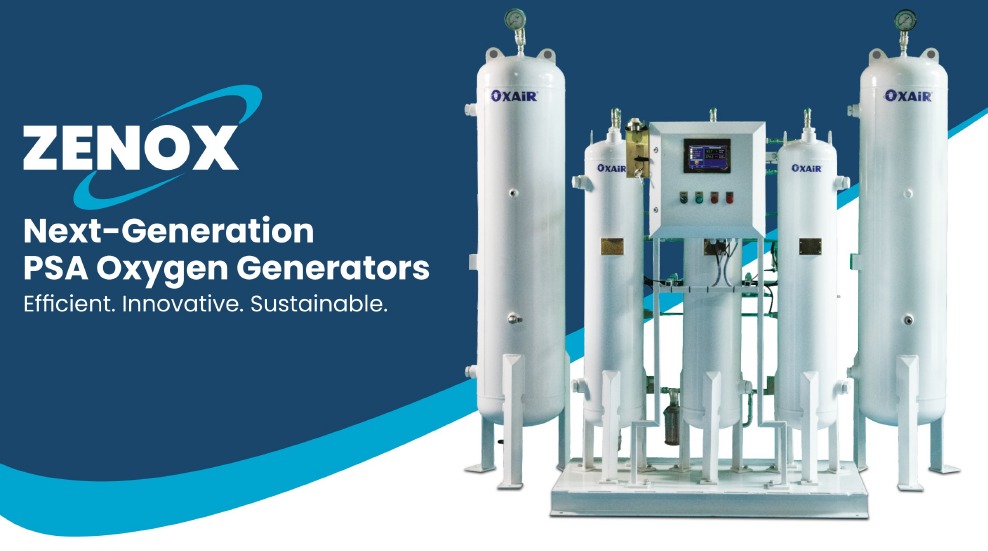
Most systems are skid-mounted and require a well-ventilated utility room with access for maintenance.
Ventilation
Adequate airflow prevents overheating and ensures safe compressor operation.
Noise Considerations
Compressor noise levels require acoustic treatment in hospital settings.
| Oxygen Output (LPM) | Typical Power Requirement | Approx. Installation Area |
|---|---|---|
| 200 LPM | 25–35 kW | 10–15 m² |
| 500 LPM | 55–70 kW | 20–25 m² |
| 1,000 LPM | 100–130 kW | 35–45 m² |
These factors help engineers determine where and how to install a Medical oxygen generator effectively.
Maintenance and Operational Considerations for a Medical Oxygen Generator
Like any critical utility, a Medical oxygen generator requires regular monitoring and servicing.
Routine Maintenance Tasks
- Filter replacement
- Compressor oil checks
- Dryer servicing
- Purity sensor calibration
- Leak inspection
| Maintenance Activity | Recommended Frequency |
|---|---|
| Filter Replacement | Every 3–6 months |
| Compressor Servicing | Every 6–12 months |
| Oxygen Purity Check | Continuous monitoring |
| System Inspection | Monthly |
Preventive maintenance ensures the Medical oxygen generator maintains purity levels and operational efficiency.
Why Medical Oxygen Generators Support Continuous Hospital Oxygen Supply
The key advantage of a Medical oxygen generator is uninterrupted oxygen availability. Since production happens on-site, hospitals are less vulnerable to delivery delays, supply shortages, or transport disruptions.
Generators also allow hospitals to:
- Match production to real-time demand
- Maintain pressure stability in pipelines
- Reduce long-term oxygen procurement costs
- Improve emergency preparedness
These benefits make the Medical oxygen generator an essential engineering asset in modern healthcare facilities.
Conclusion
A reliable oxygen supply is fundamental to patient care, and hospitals increasingly treat oxygen as a utility that must be produced, monitored, and controlled on-site. By integrating a Medical oxygen generator into their infrastructure, healthcare facilities ensure consistent oxygen purity, stable pressure, and operational independence.
For hospital planners, biomedical engineers, and EPC contractors, understanding the working principles and system integration of a Medical oxygen generator is crucial for building resilient healthcare infrastructure that can meet both routine and emergency oxygen demands.